Differentiate print defects from post-pack handling damage.
Pokémon Factory Defect Vs Damage
One of the hardest grading decisions is telling manufacturing defects apart from damage that happened after a card left the factory. This distinction matters because some flaws are expected print variance, while others indicate condition deterioration that caps upside.
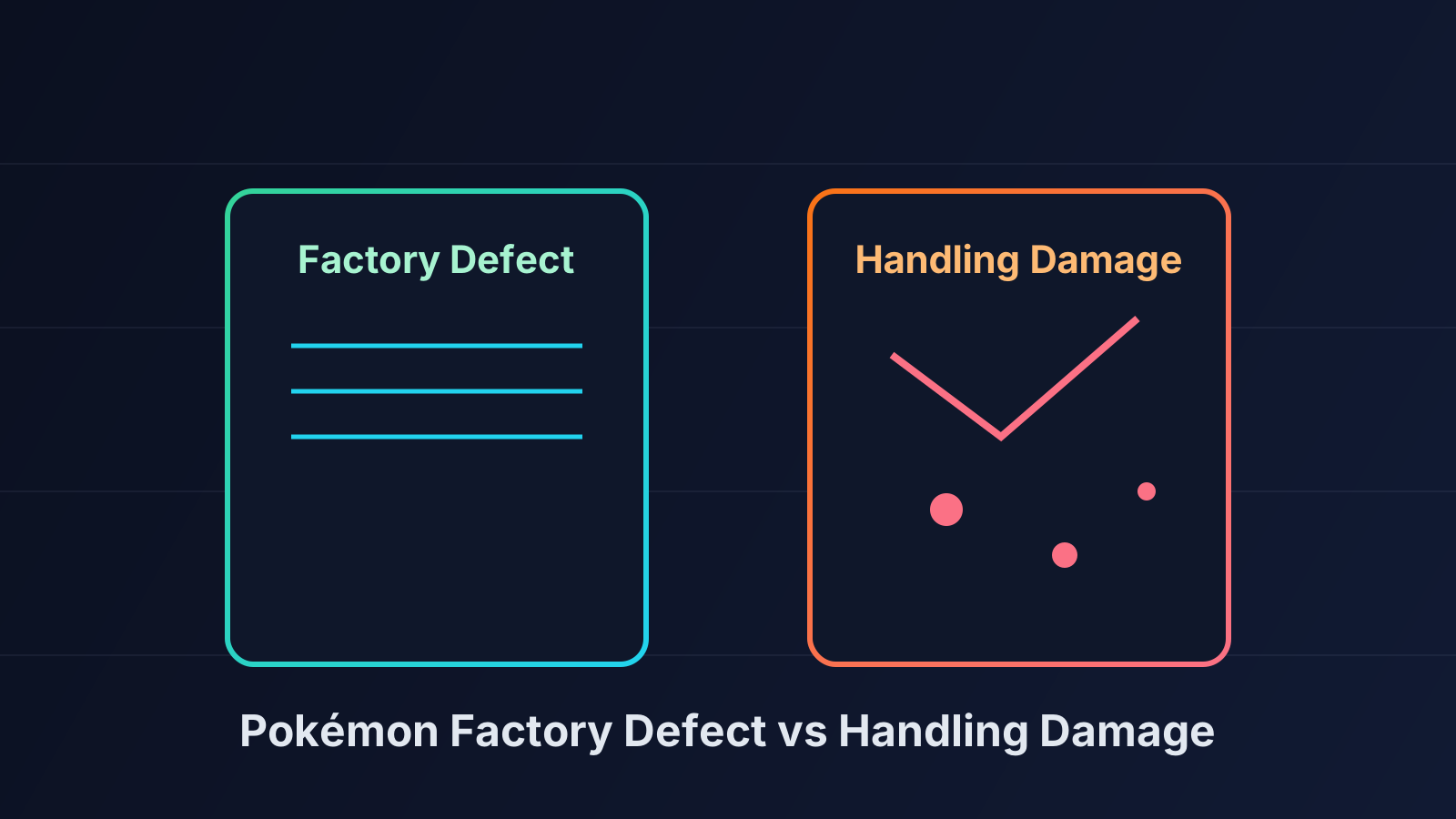
Factory defects vs handling damage
Factory defects usually appear as repeatable print artifacts: roller lines, registration issues, silvering patterns, or consistent edge roughness from production. Handling damage is more random and often tied to pressure, friction, or impact after opening.
Graders still assess visual severity regardless of cause, but your pre-grading workflow gets more accurate when you classify each flaw correctly and avoid treating all marks as equal.
A practical workflow
- Inspect pattern consistency. Factory issues often show straight, uniform, or repeated patterns; handling damage tends to be irregular.
- Cross-check card zones. Damage from use is usually concentrated at corners, edges, and high-contact areas.
- Use angled lighting. Print lines and coating anomalies reflect differently than scratches or scuffs from handling.
- Score submit risk conservatively. When uncertain, assume a lower ceiling and protect submission ROI.
Common mistakes collectors make
- Confusing sleeve lines with permanent scratches.
- Assuming a factory defect is "free" and won't affect final grade outcomes.
- Ignoring edge and corner stress while focusing only on front-surface defects.
- Submitting borderline cards without confidence ranges or downside planning.
FAQ
Do factory defects always grade better than damage?
Not always. Graders score what they see, so severe factory defects can still limit grade outcomes.
How can I tell a print line from a scratch?
Print lines are often straighter and more uniform. Scratches usually have varied depth, direction, and disruption under angled light.
Should I still submit if I'm unsure?
Only if expected value remains positive under conservative assumptions. Uncertainty should tighten your submission threshold.
Take action
Classify defects correctly before you pay grading fees so you can submit stronger cards and avoid low-confidence mistakes.